
Sealing Penetrations and Services
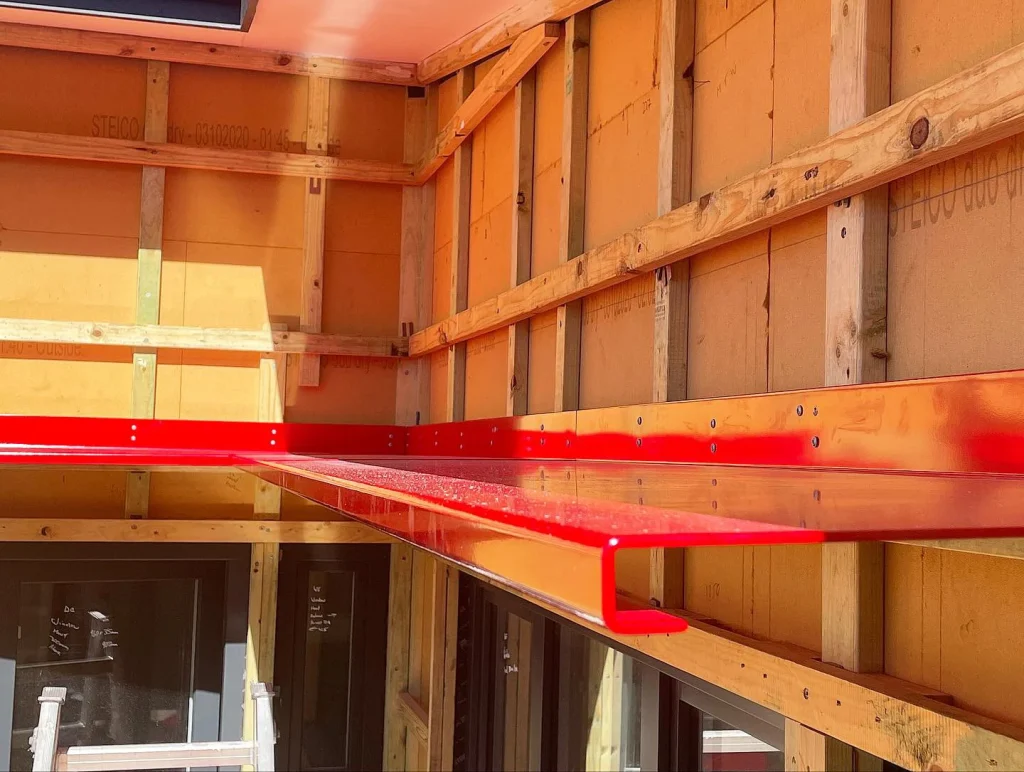
Service penetrations are consistently near the top of the list of air leakage paths, and unlike most leaks they are entirely preventable with about twenty minutes of work per building. Here is why penetrations leak and how to seal them properly.
Building Wrap Installation Sequence
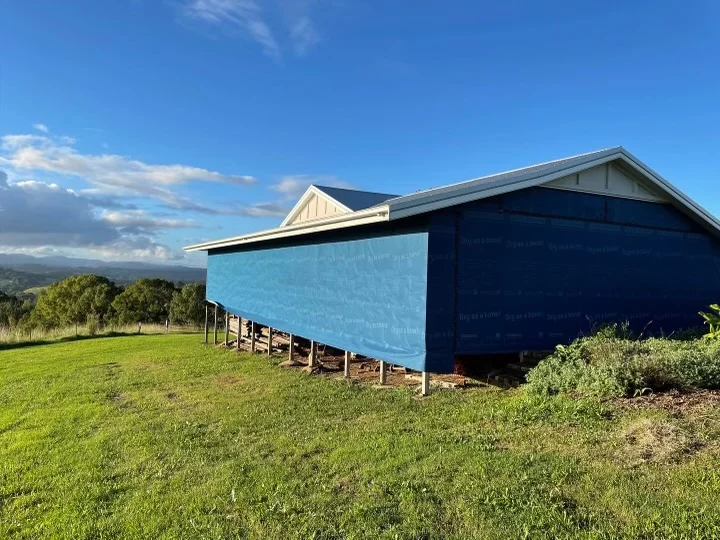
Most membrane failures are not membrane failures. They are sequence failures: the right product installed in the wrong order, so that water arriving later has a path in. Get the sequence right and the detailing mostly follows.
Common Membrane Installation Mistakes

Passive House building is a sustainable and energy-efficient construction method that has gained popularity in recent years due to its ability to significantly reduce energy consumption and lower carbon emissions. Despite its benefits, there are still some misconceptions about Passive House building that may deter people from exploring this construction method.
Retrofit Airtightness
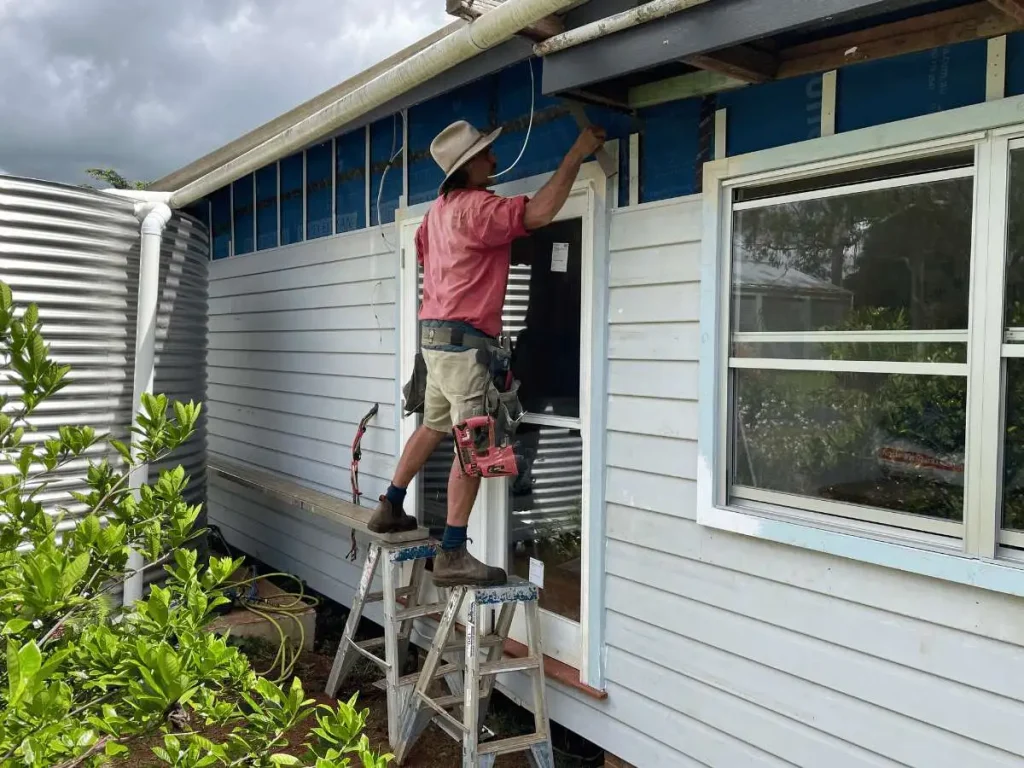
Yes, existing buildings can be retrofitted to meet Passive House standards, although it may require significant renovations and upgrades to achieve the necessary levels of insulation and airtightness. Retrofitting can provide significant benefits in terms of energy savings and improved indoor air quality.
Thermal Bridging and Junction Detailing
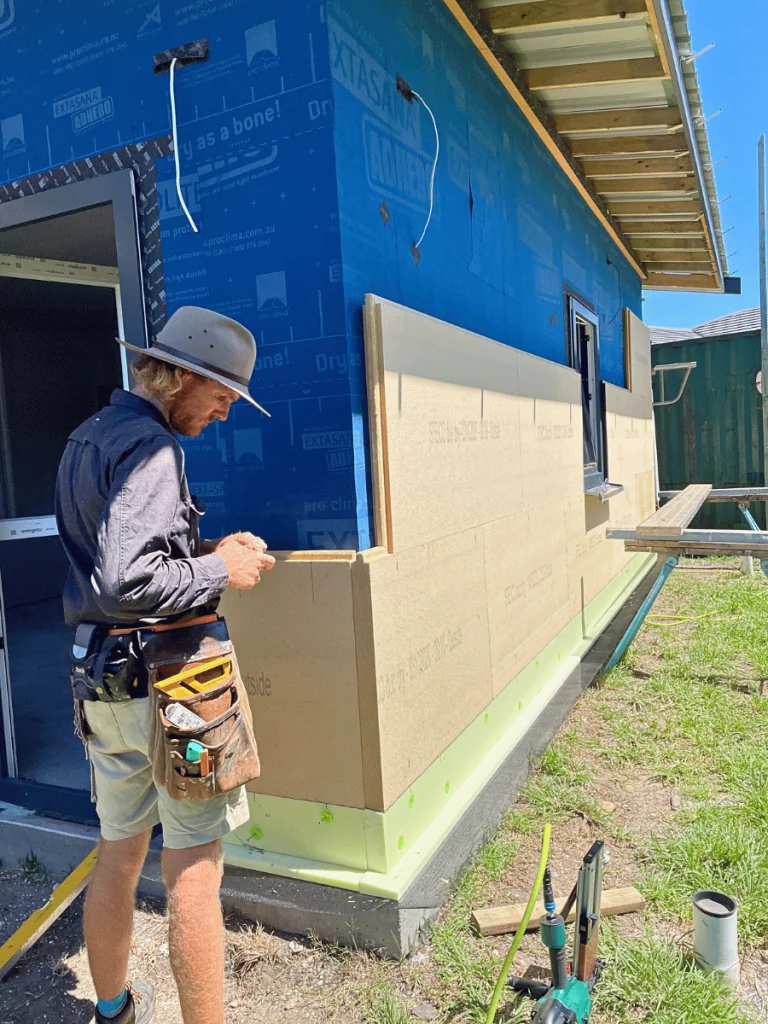
Thermal bridge free construction is a building technique that focuses on minimising the number of areas where heat is lost in a building. This is particularly important for passive houses, where energy efficiency is a key goal. Thermal bridges are areas of a building where heat is lost, such as around windows, at corners, and at joints between different building elements. By reducing the number of thermal bridges, a building can be made more energy efficient, resulting in improved indoor comfort, lower energy bills, and a more sustainable building.
Window Detailing and Sealing
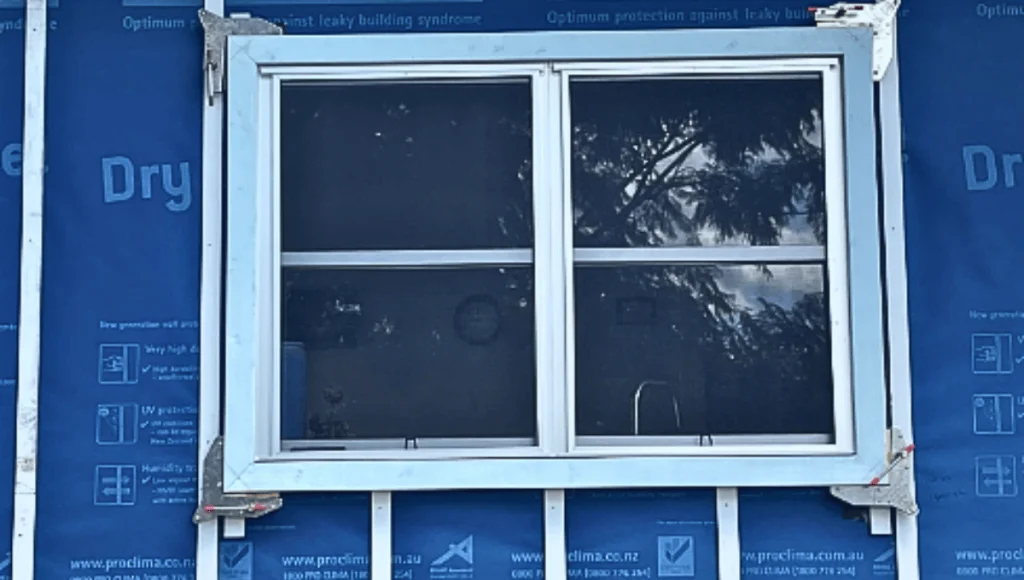
Passive houses are designed to be highly energy-efficient and comfortable, and the choice of windows is an important factor in achieving these goals. High-performance windows are specifically designed to be more energy-efficient than standard windows, and they play an important role in the overall energy efficiency of a passive house. In this beginner’s guide, we’ll take a closer look at high-performance windows, their benefits, the materials used in their construction, and the cost considerations of installing them in a passive house.
Insulation and Membrane Interaction
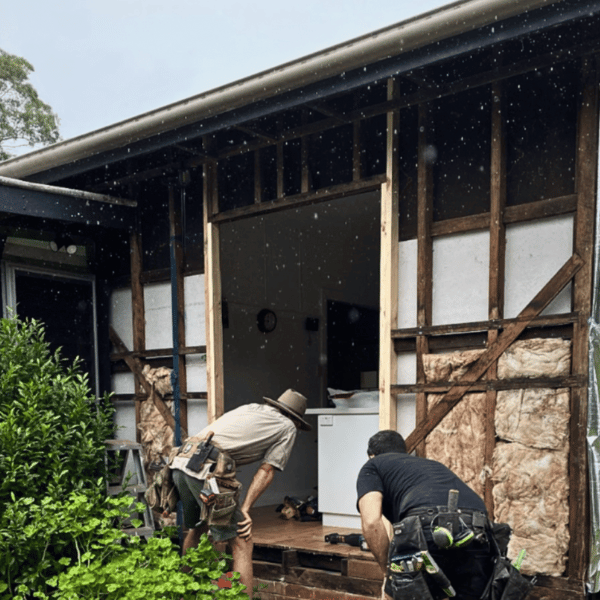
Thermal insulation is a critical component of passive houses, and it plays a key role in ensuring their energy efficiency and comfort. In this blog post, we will explore what thermal insulation is, how it is measured, what methods are used for testing it, and what benefits it offers. We will also discuss the various materials used with thermal insulation and the cost considerations involved.
The Four Control Layers
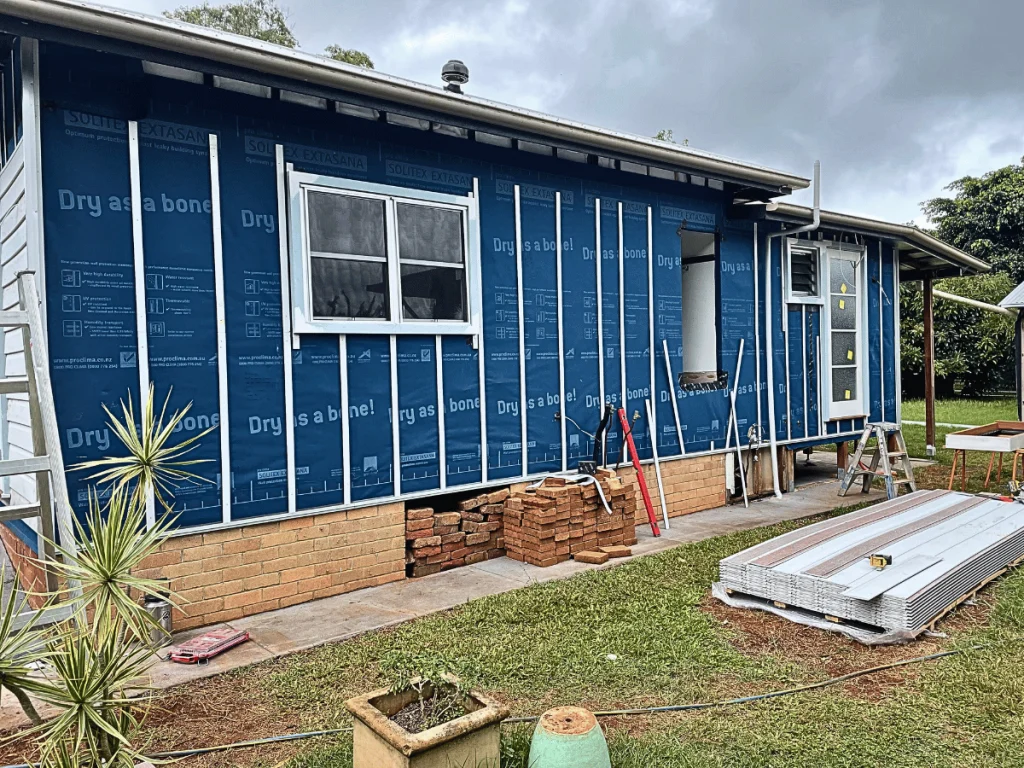
Passive house construction aims to create energy-efficient and comfortable homes that consume a minimum amount of energy. To achieve this, passive houses must be built to strict standards that ensure proper control of four critical elements: water, air, vapour, and thermal. These four control layers are crucial in creating a well-insulated, airtight building envelope that prevents unwanted heat loss or gain, moisture buildup, and air infiltration.