
Condensation Management in Climate Zone 2
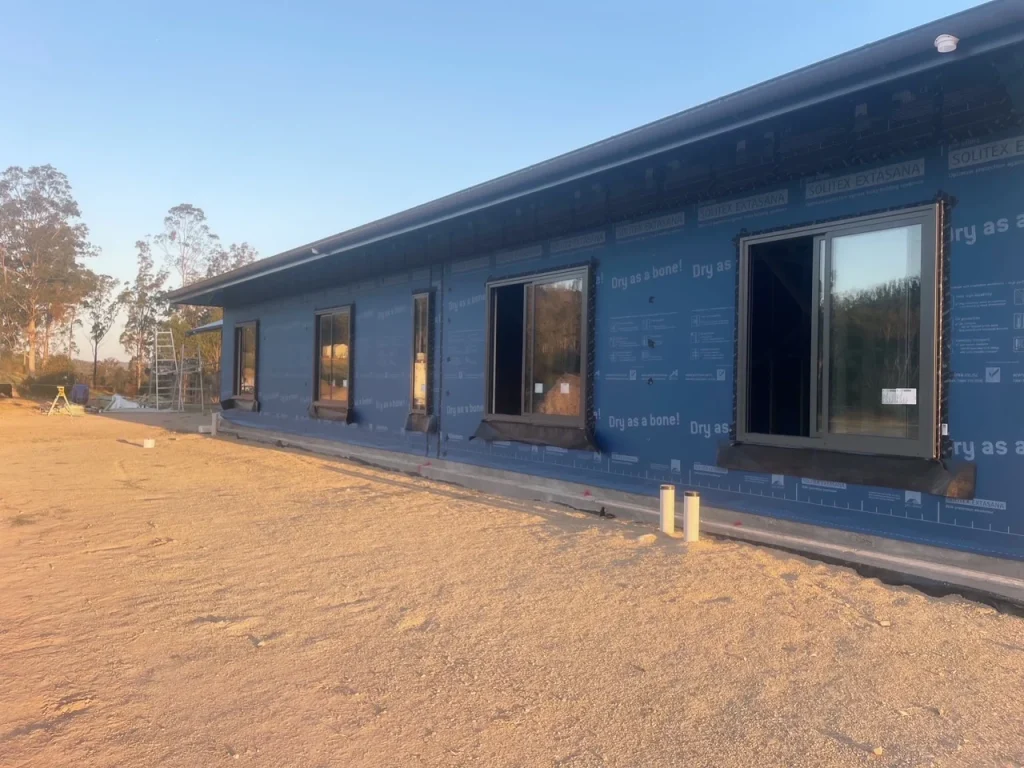
Most Australian condensation guidance is written for cold climates. If you build in Brisbane, the Gold Coast, the Sunshine Coast or the Northern Rivers, following it can make your buildings worse. Here is why, and what to do instead.
Class 3 vs Class 4 Vapour Permeable Membranes
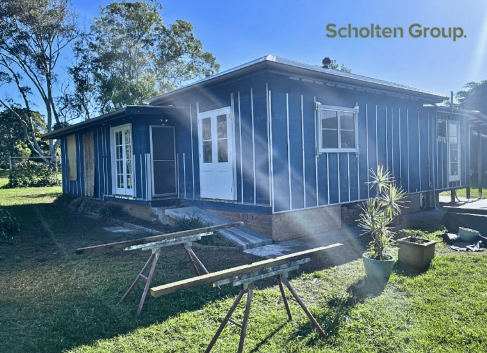
If you are specifying a wall wrap in Australia, the classification matters more than the brand. Here is what the AS 4200.1 vapour permeance classes mean and when each is required.
NCC 2022 Condensation Requirements: What Builders Need to Know
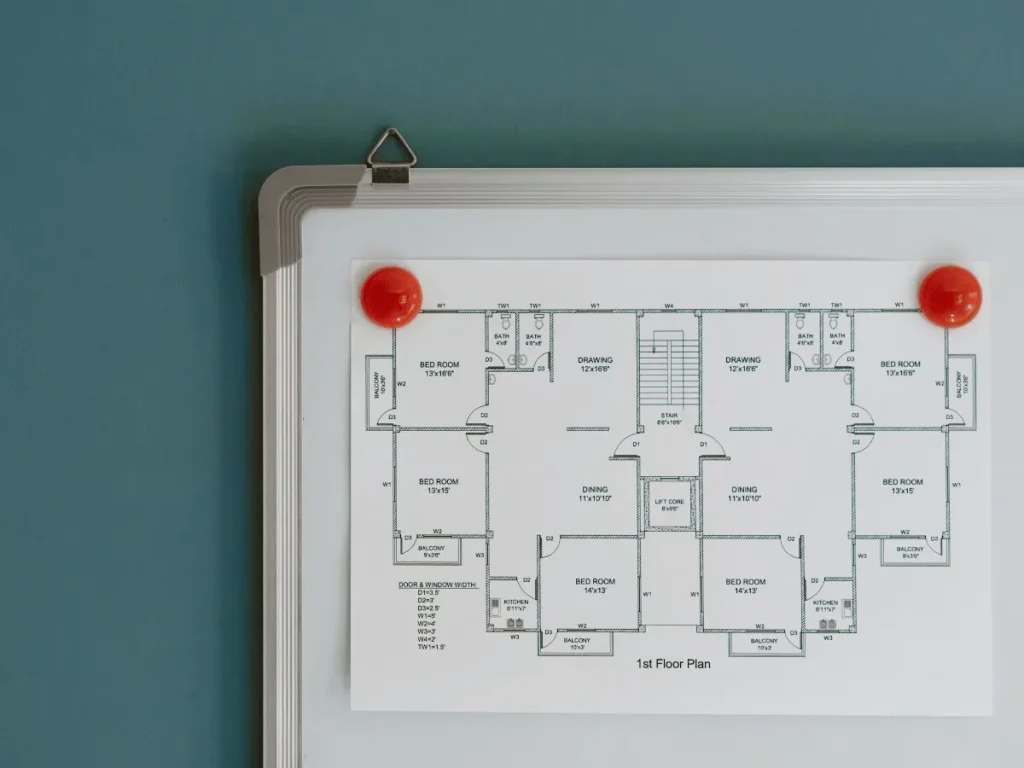
Condensation management was introduced to the National Construction Code in 2019 and significantly expanded in NCC 2022. For most residential builders it is now the provision most likely to be got wrong. Here is what the code actually requires.
Commercial and Multi-Residential Applications

Passive House buildings are known for their energy efficiency and sustainability, making them a popular choice for residential buildings. But can they be used for commercial and industrial purposes as well? The answer is a resounding yes.
Why Build Airtight

Passive House building can help to reduce greenhouse gas emissions and other environmental impacts associated with traditional building methods. By reducing energy consumption and incorporating sustainable materials and technologies, Passive House buildings can help to mitigate the environmental impacts of the built environment.
Moisture, Mould and Indoor Air Quality

Passive House buildings are designed to provide a comfortable indoor environment while also reducing energy consumption and carbon emissions. But are Passive House buildings actually healthier than traditional buildings?
Airtightness and Energy Performance
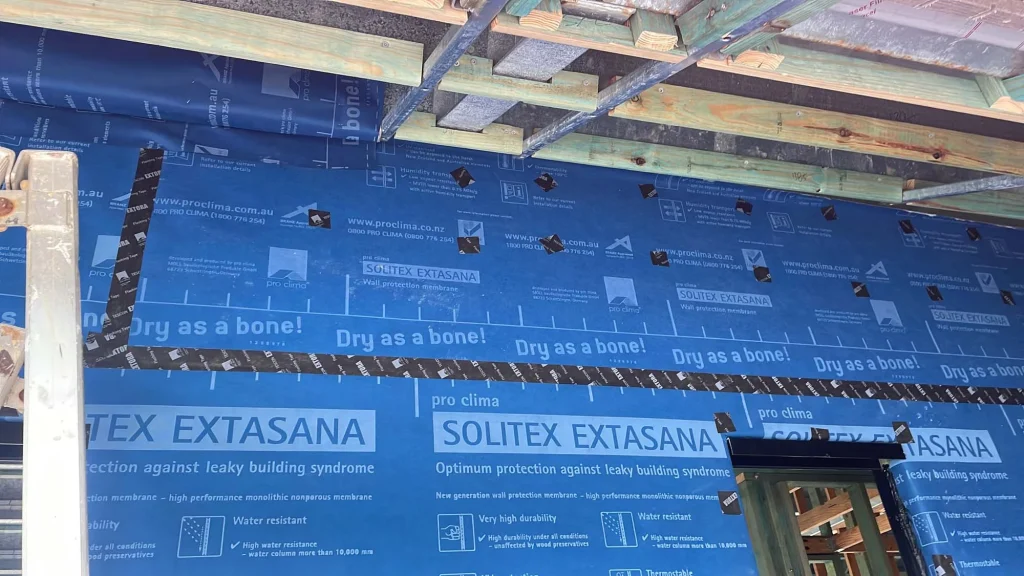
Passive House buildings have become increasingly popular in recent years due to their high levels of energy efficiency and sustainability. These buildings are designed to consume very little energy while maintaining comfortable indoor temperatures, even in extreme weather conditions. But how do Passive House buildings achieve such high levels of energy efficiency?
Ventilation and Condensation Control
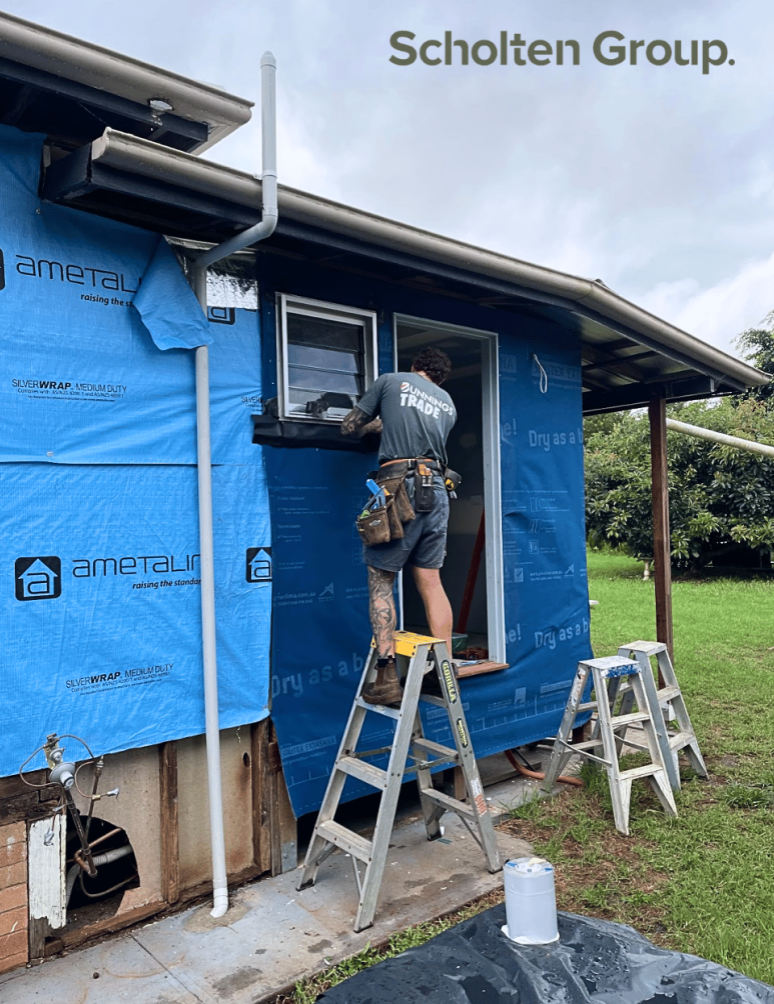
Ventilation is a crucial aspect of building design, particularly in the context of passive houses. Passive houses aim to reduce the amount of energy required to maintain comfortable indoor temperatures, and proper ventilation is essential for this goal. Proper ventilation removes internal moisture, odors and harmful substances.
Passive House Certification: What It Involves
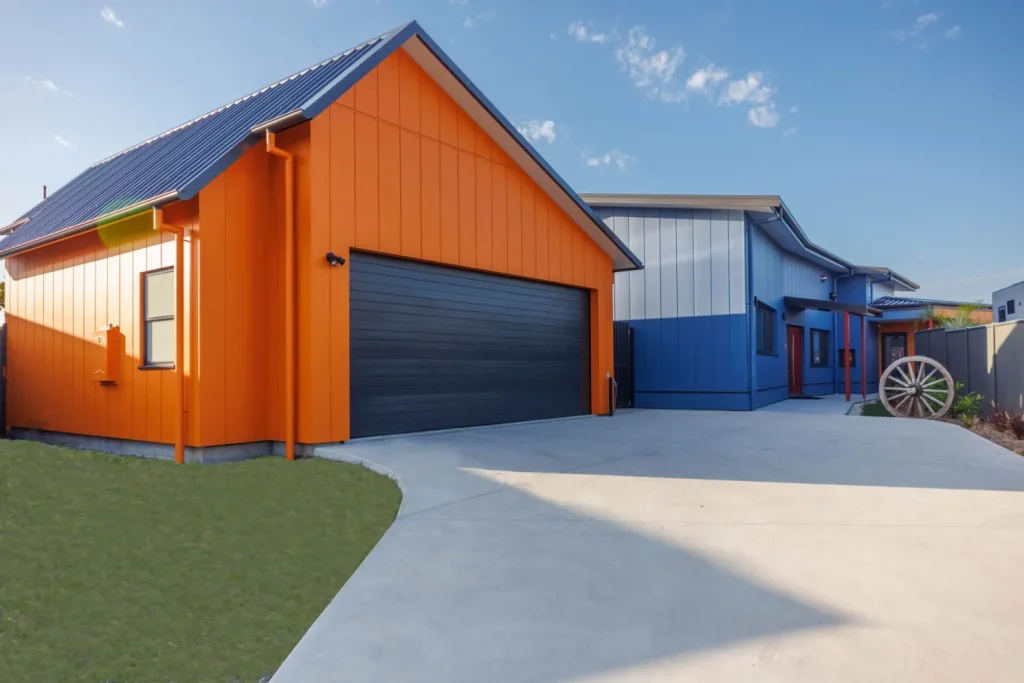
Passive House Certification is a guarantee that a building meets these Passive House standards in terms of comfort and high performance.
Membrane Selection by Climate Zone
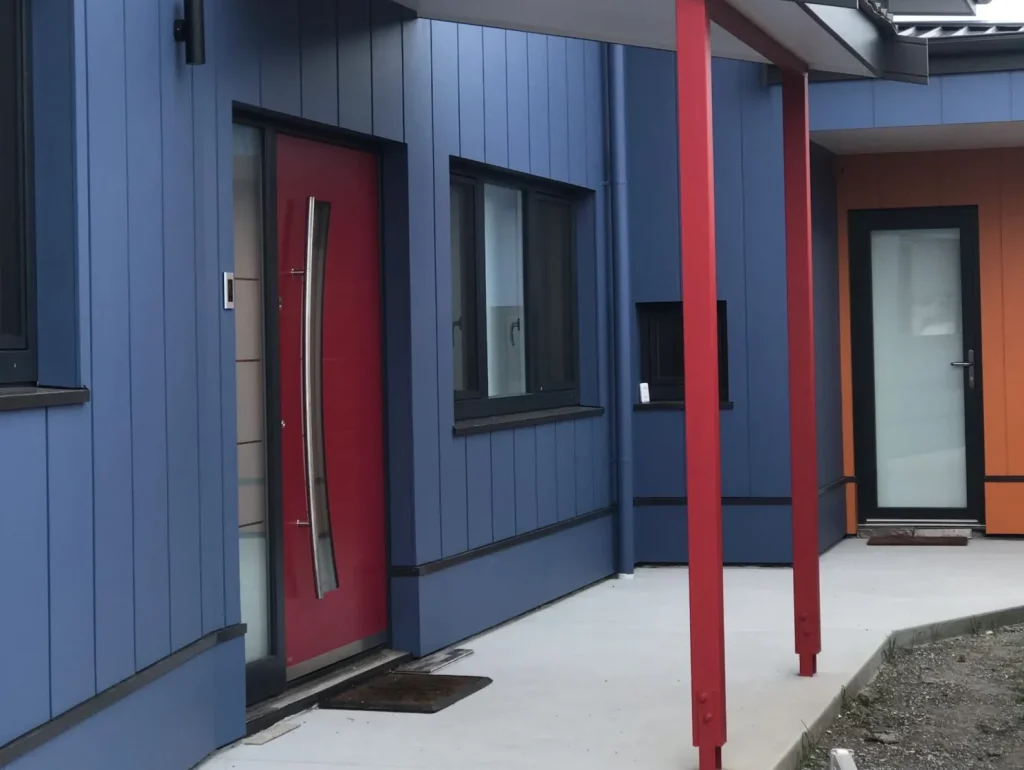
When building a new passive home or even an extension that meets the Passive House Criteria it is important to factor in the climate where the house is being built. This is called designing by climate and is a key criterion for meeting Passive Home Certification standards. So what does designing for climate mean?